The Complete Travel and Gorilla Trekking Guide
Bwindi Impenetrable National Park is one of Uganda’s most remarkable natural destinations and one of the best places in the world to see endangered mountain gorillas in their natural habitat. As of 2023/24, the park receives over 44,000 visitors annually, according to an IUCN report. Located in southwestern Uganda, along the edge of the Albertine Rift Valley, this ancient rainforest attracts travellers from across the world who come to experience mountain gorilla trekking, explore its extraordinary biodiversity and discover one of Africa’s most fascinating forest ecosystems.
Covering approximately 331 square kilometres, Bwindi is a UNESCO World Heritage Site recognised for its exceptional biodiversity and importance in mountain gorilla conservation. The forest is home to roughly half of the world’s remaining mountain gorillas, making it one of the most important conservation areas in Africa.
For most international visitors, the main attraction is undoubtedly mountain gorilla trekking. However, Bwindi offers much more than a gorilla encounter. Visitors can enjoy guided forest walks, birdwatching, Batwa cultural experiences, community visits and scenic drives through the beautiful highlands of southwestern Uganda.
At Car Rent With a Driver Uganda, we consider Bwindi one of the best destinations to visit but a trip here requires proper planning from gorilla permit, logistics, accommodations and other wildlife experiences to pair with your primate safari in Uganda.
This guide explains everything you need to know before visiting Bwindi Impenetrable National Park, including how to get there, gorilla trekking sectors, permit prices, accommodation, activities, the best time to visit and practical travel advice.
The Park
Bwindi Impenetrable National Park is located in southwestern Uganda, within the districts of Kanungu, Rubanda, Kisoro and Rukungiri. It lies at Uganda’s borders with Rwanda and the Democratic Republic of Congo (DRC).
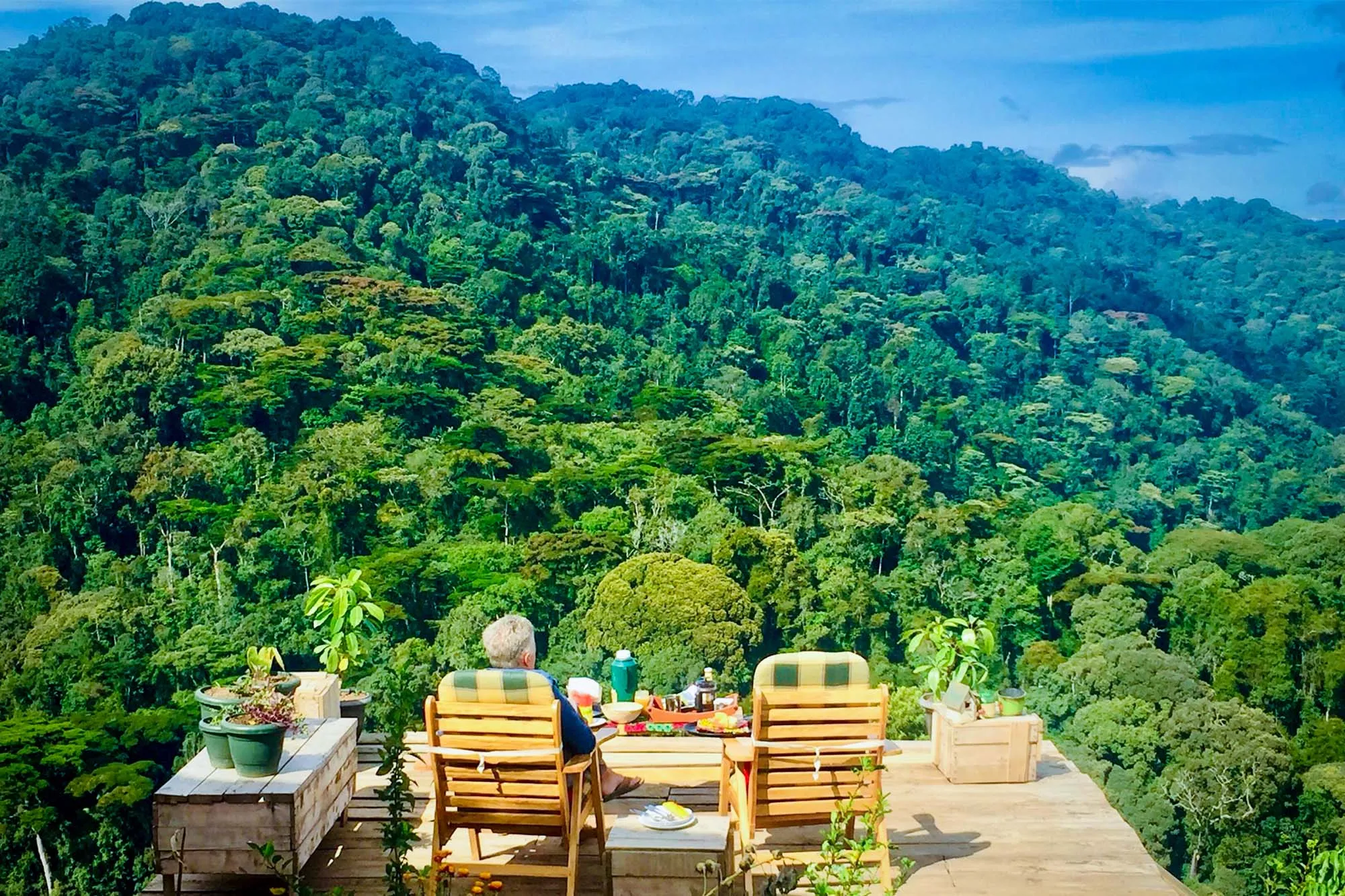
Bwindi Impenetrable National Park, Uganda – Views Of Ruhija
The park occupies a mountainous landscape characterised by steep valleys, forest-covered hills, winding roads and densely vegetated slopes. Its altitude ranges approximately from 1,160 to 2,607 metres above sea level, creating different forest habitats and climatic conditions.
Nearest major towns include:
- Kabale: An important transport and accommodation centre in southwestern Uganda, particularly for visitors approaching the southern and eastern parts of Bwindi. Kabale is about 90-120Kms away and typically takes 2-3 hours depending on your trekking sector.
- Kisoro: A popular base for travellers visiting the Rushaga and Nkuringo sectors, as well as Mgahinga Gorilla National Park. This is 1-1.5hr 40Km drive to Rushaga.
- Butogota: A small trading centre and road junction for visitors approaching the Buhoma sector.
- Kanungu: A district centre serving the northern and northeastern approaches to the park.
NOTE: Bwindi is not a single entry point with all visitor facilities concentrated in one location. It has four main gorilla trekking sectors: Buhoma, Ruhija, Rushaga and Nkuringo. These sectors are separated by mountainous terrain, forest and winding roads.
Key Sector-to-Sector Distances & Drive Times with a 4×4
- Buhoma to Ruhija: ~45–59 km (about 1.5–2.5 hours).
- Rushaga to Nkuringo: ~19–20 km (about 45–60 minutes by 4×4). (A steep forest walk also links Buhoma and Nkuringo—about 14 km, taking roughly 6–7 hours on foot.)
- Buhoma to Rushaga (via Ruhija): ~148 km (about 5 hours).
Why Visit Bwindi Impenetrable National Park?
There are many reasons why you may consider visiting Bwindi. Some of the popular activities include:
Mountain Gorilla Trekking
Mountain gorilla trekking is the primary reason most tourists visit Bwindi. The park protects 25 habituated mountain gorilla families and visitors can track 20-21 of them across her 4 main sectors while 2 (Bikyingi and Kutu) are used for habituation experiences and one (Kyaguriro) is used for research.
A typical trek begins with a morning briefing at the sector headquarters. Visitors are assigned to a gorilla family and guided into the forest by experienced trackers and armed park rangers.
The duration of the trek varies depending on where the gorillas are located. Some groups may be found relatively close to the starting point, while others require several hours of hiking through steep, muddy and densely vegetated terrain.
Once the gorillas are located, visitors are allowed a strictly regulated period of one hour observing them. This is an extraordinary opportunity to watch their natural behavior, including feeding, grooming, resting, playing and interactions between family members upclose.
Biodiversity
Bwindi is an ancient tropical rainforest with remarkable ecological diversity. Its habitats support numerous mammals, primates, reptiles, butterflies and forest bird species.
Apart from mountain gorillas, the forest is associated with chimpanzees, L’Hoest’s monkeys, black-and-white colobus monkeys, red-tailed monkeys and other forest wildlife.
The park is particularly important for birdwatchers because it protects over 23 Albertine Rift endemic species.
Beautiful Highland Scenery
The landscape around Bwindi is part of the experience. Travellers encounter rolling hills, terraced farmland, forested ridges and spectacular views of the surrounding countryside.
Nkuringo and Ruhija stand out as the best scenic gorilla sectors in Bwindi.
Batwa Cultural Experiences
The Batwa are indigenous forest people whose traditional way of life is closely connected to the forests of southwestern Uganda.
Visitors can participate in organised Batwa cultural experiences to learn about their traditional forest knowledge, hunting practices, medicinal plants, music, dance and history.
These experiences provide an opportunity to understand the human heritage of the Bwindi landscape and the changes that followed the establishment of the national park.
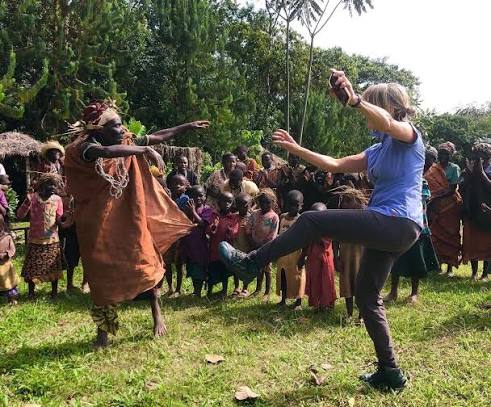
Batwa Cultural Experiences – An Evening Cultural Encounter in Bwindi
Bwindi Gorilla Trekking Sectors
At the very start of your gorilla safari planning journey, you need to decide your preferred gorilla trekking sector. This will have a bearing on the availability of permits and your hotel booking options.
Bwindi has four main sectors, each with its own briefing point, accommodation options, road connection considerations and trekking characteristics.
Buhoma Sector
Buhoma is located in the northern part of Bwindi and is one of the park’s most established tourism areas with over 7 habituated gorilla families. The habituated families include: Mubare (the first habituated group in Bwindi, opened in 1993), Habinyanja, Rushegura, Katwe, Muyambi, Binyindo and Kanywanyi.
This sector was the first sector to introduce mountain gorilla tourism in Bwindi, with gorilla trekking beginning here in 1993.
Buhoma has a relatively developed collection of safari lodges, guesthouses and community tourism facilities. It is also a popular choice for visitors combining gorilla trekking with Queen Elizabeth National Park, particularly the Ishasha sector.
The road journey from Queen Elizabeth National Park through Ishasha and Kihihi provides an attractive safari connection.
What makes Buhoma Special:
- More established gorilla trekking infrastructure.
- Several accommodation options.
- Access to forest nature walks and birdwatching.
- Community tourism and cultural experiences.
Ruhija Sector
Ruhija lies in the eastern part of Bwindi, at a relatively high elevation and is a home to 4 gorilla families (Bitukura, Oruzogo, Kyaguriro and Mukiza). It is known for its cool climate, beautiful highland scenery and excellent birdwatching opportunities.
The sector is particularly attractive to travellers who enjoy combining gorilla trekking with forest birding.
Ruhija is generally accessed through the Kabale side, although road conditions and the exact route depend on the starting location.
What makes Ruhija attractive:
- Excellent opportunities for Albertine Rift birdwatching.
- Beautiful mountain and forest scenery.
- A quieter highland atmosphere.
- Access to gorilla trekking and guided forest activities.
Note: Travellers should prepare for colder temperatures, particularly in the early morning and evenings. A year long raining spell should be expected with varying intensity depending on seasons.
For a full weather planning guide, read our guide on Uganda’s rainy seasons.
Rushaga Sector
Rushaga is situated in the southern part of Bwindi and is one of the most important gorilla trekking areas in the park.
It has 10 habituated gorilla families and the sector offers the premium gorilla habituation experience, which allows visitors to spend four hours with a gorilla group undergoing the habituation process.
Families here include:
- Nshongi
- Mishaya
- Kahungye
- Busingye
- Bweza
- Bikingi (also spelled Bikyingi)
- Rwigi (also spelled Rwigyi or Bwigi)
- Mucunguzi
- Kutu
- Tindatine
Rushaga is particularly suitable for travellers approaching Bwindi from Kisoro or Rwanda through the Cyanika border.
If you are planning to go on a cross-border safari, consider reading our cross-border car rental guide which allows you to use one car in two countries with all the paperwork you need.
Rushaga Sector attractions:
- Multiple habituated gorilla families.
- Gorilla habituation experience opportunities.
- A range of accommodation options.
- Convenient connections to Kisoro and Mgahinga.
- Access to southern Bwindi’s scenic highlands.
The Nkuringo Sector
Nkuringo is located in the southwestern part of Bwindi and is famous for its dramatic mountain scenery.
It is the most challenging sector to access because of its steep and winding approach roads. However, the scenery and highland setting make it particularly rewarding.
The sector has 4 gorilla families (Nkuringo, Bushaho, Christmas and Posho) and offers opportunities for gorilla trekking, nature walks and community experiences.
Nkuringo is also suitable for travellers interested in combining Bwindi with Mgahinga Gorilla National Park.
What makes Nkuringo attractive:
- Spectacular views of the surrounding highlands.
- Access to gorilla trekking.
- Beautiful forest and mountain landscapes.
- Community and cultural experiences.
- Connections to Kisoro and Mgahinga.
Which Bwindi Sector Should You Choose?
There is no universally best sector. The right choice depends on your gorilla permit, accommodation preference, travel route and overall safari itinerary.
For example, a traveller coming from Queen Elizabeth National Park may find Buhoma convenient, while someone travelling from Kigali or Kisoro may prefer Rushaga or Nkuringo.
Your fitness level is another consideration to take in mind. Senior travelers may prefer the Rushaga sector to a more physically demanding Nkuringo sector.
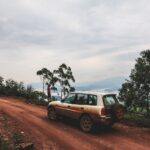
While accessible all year long, your rental vehicle may also have a say on the best sector for you. A Rav4 for example may be a bad choice during the rainy season if you are visiting Nkuringo but a Landcruiser v8 won’t complain.
Tip: Secure your gorilla permit for a particular sector before confirming accommodation and finalising the road itinerary.
Gorilla Trekking in Bwindi Impenetrable National Park
Gorilla trekking is a guided forest experience in which visitors hike through Bwindi’s natural habitat to locate a habituated mountain gorilla family.
The activity is regulated by Uganda Wildlife Authority (UWA), which manages visitor permits, conservation guidelines, ranger operations and tourism activities within the park.
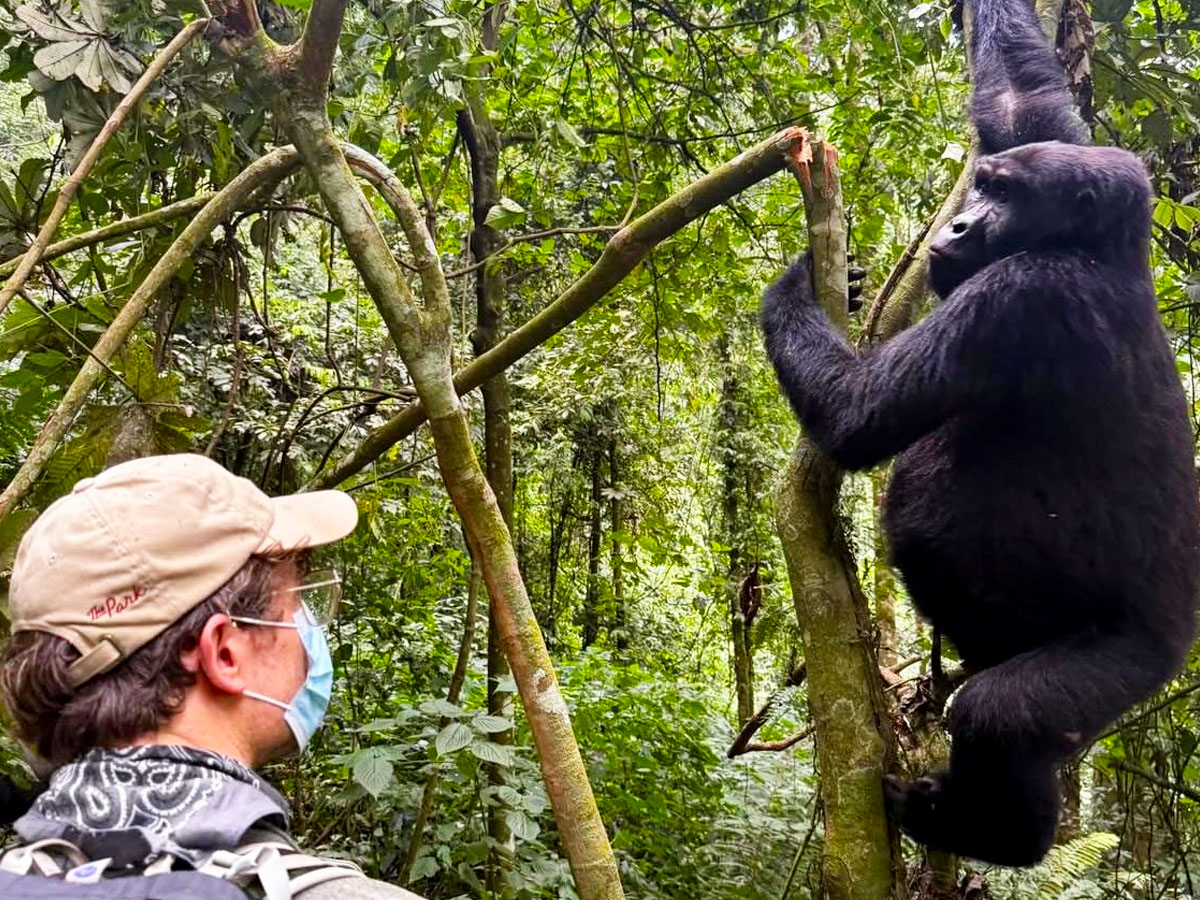
Gorilla Trekking in Bwindi Impenetrable National Park – Watching Up Close
How Gorilla Trekking is Carried out
Your trekking day begins early in the morning. After breakfast, your driver will take you to the sector headquarters for registration and briefing. The briefing covers gorilla trekking rules, safety procedures, conservation guidelines and what to expect during the hike.
Visitors are then allocated to gorilla families, taking into account factors such as trekking conditions and group arrangements. Each family is allocated 8 trekkers so permits limited especially in the peak season of June to August.
Experienced rangers and trackers lead the trekking groups into the forest. Tracking guides locate the gorillas using information about their previous movements and feeding areas.
Note: The trek involves:
- Walking along narrow forest trails.
- Climbing steep slopes.
- Crossing muddy and slippery sections.
- Moving through dense vegetation.
- Spending several hours in the forest.
When the gorillas are found, visitors are allowed one hour with the family under the supervision of their guides.
How Difficult Is Gorilla Trekking?
Gorilla trekking in Bwindi is a bit physically demanding. The forest is mountainous, and some trekking routes like the Bamboo Trail to Rwamunyonyi Hill (reaching 2,607 m) involve considerable elevation changes.
The difficulty varies from one day to another depending on the location of the assigned gorilla family.
A relatively short trek may take two hours, while a longer trek can take five, six or more hours.
Visitors should be reasonably fit and prepared to walk on uneven ground. If you have mobility concerns, discuss your circumstances with us before travelling.
Note: Porters are available to assist with carrying bags and providing physical support along challenging trails at a fee between $15-25. The porter hire fee should not be confused with a porter tip.
Some of the main Gorilla Trekking Rules
To protect the gorillas and visitors, Uganda Wildlife Authority enforces strict trekking regulations.
Important rules include:
- Maintain the required 7-10 meters minimum distance from the gorillas.
- Do not visit gorillas when you are sick, particularly with respiratory or other contagious illnesses.
- Wear a mask during the entire period of observing the gorillas.
- Keep your voice low when observing the gorillas.
- Do not eat, drink or smoke near the gorillas.
- Avoid sudden movements and follow your ranger’s instructions.
- Do not touch the gorillas.
- Do not use flash photography.
- Follow the designated observation time and other instructions given by the guides.
These regulations are essential because mountain gorillas are vulnerable to human diseases and unnecessary disturbance.
Bwindi Gorilla Permit Prices
A gorilla trekking permit is compulsory for anyone intending to participate in standard mountain gorilla trekking in Bwindi.
Uganda Wildlife Authority is solely responsible for regulating gorilla permits and publishing the applicable tariffs.
For the 2026 tariff period, the standard gorilla trekking permit rates are:
| Visitor Category | Permit Price |
|---|---|
| Foreign Non-Residents | US$800 |
| Foreign Residents | US$700 |
| Rest of Africa | US$500 |
| East African Citizens | UGX 300,000 |
These prices relate to standard gorilla trekking permits and excludes accommodation, transport, meals or other safari expenses like the $40 park entry where necessary and driver entry fees.
For a full cost estimation for your safari, visit our Safari Budget Calculator.
Gorilla Habituation Experience Permit
Bwindi also offers the gorilla habituation experience in the Rushaga sector.
Unlike standard gorilla trekking, this activity involves visiting a gorilla group that is still undergoing habituation to human presence.
Visitors spend up to four hours with the gorillas.
The 2026 gorilla habituation permit rates are:
| Visitor Category | Permit Price |
|---|---|
| Foreign Non-Residents | US$1,500 |
| Foreign Residents | US$1,000 |
| Rest of Africa | US$1,000 |
| East African Citizens | UGX 750,000 |
Tip: Habituation permits are more limited with only 4 given per day per active family (normally 1 or 2 families available).
How to Book a Bwindi Gorilla Permit
Gorilla permits are limited because visitor numbers are regulated to minimise disturbance to the gorillas.
You can arrange your permit through a registered Ugandan tour operator. We offer Car + Driver + Permit reservations for our clients at no extra cost.
When booking, provide:
- Your intended trekking date.
- Proof of Identification
- The number of travellers.
- Your preferred trekking sector, if you have one.
We recommend securing permits at least 3-6 months in advance to maximize availability options.
Other Things to Do in Bwindi Impenetrable National Park
Although gorilla trekking is the main attraction, Bwindi offers several other activities worth including in your itinerary.
Guided Forest Nature Walks
Guided nature walks allow visitors to explore the rainforest without necessarily participating in gorilla trekking.
These walks provide opportunities to learn about forest ecology, tree species, medicinal plants, butterflies, birds and smaller wildlife.
The exact walks and availability depend on the sector and the activities authorised by park management.
Birdwatching
Bwindi is one of Uganda’s most important birdwatching destinations.
The forest supports numerous bird species, including several Albertine Rift endemics.
Notable species associated with the Bwindi forest include:
- African green broadbill.
- Grauer’s broadbill.
- Ruwenzori turaco.
- Shelley’s crimsonwing.
- Handsome francolin.
- African wood owl.
The Ruhija area is particularly popular with specialist birdwatchers, although birding opportunities exist across the forest.
Visitors interested in birding should consider hiring a knowledgeable local birding guide rather than relying exclusively on a general gorilla trekking itinerary.
Batwa Cultural Experience
A Batwa cultural visit provides insight into the history and traditional knowledge of the indigenous Batwa communities.
Depending on the community programme, visitors may learn about traditional hunting techniques, forest survival skills, medicinal plants, music and dance.
One important consideration is to choose an organised community experience that provides meaningful benefits to the people involved.
Buhoma Community Walks
The Buhoma area offers opportunities for community-based tourism.
Visitors can experience local village life, learn about traditional crafts and farming, visit community projects and interact with residents.
These activities are useful for travellers who have an extra day around Bwindi and want to understand the communities living alongside the national park.
Waterfall and Forest Walks
Some guided walks around Bwindi include visits to forest waterfalls and other natural attractions.
Availability depends on the sector and the specific walking route. Ask your accommodation or local tour operator to confirm which excursions are operating during your visit.
Where to Stay in Bwindi Impenetrable National Park
Bwindi has accommodation ranging from simple guesthouses and campsites to high-end luxury safari lodges.
Choosing accommodation should not be based on price or luxury alone. The most important consideration is proximity to your gorilla trekking sector.
A lodge in the wrong sector can result in a very early departure and a long drive before the trek begins.
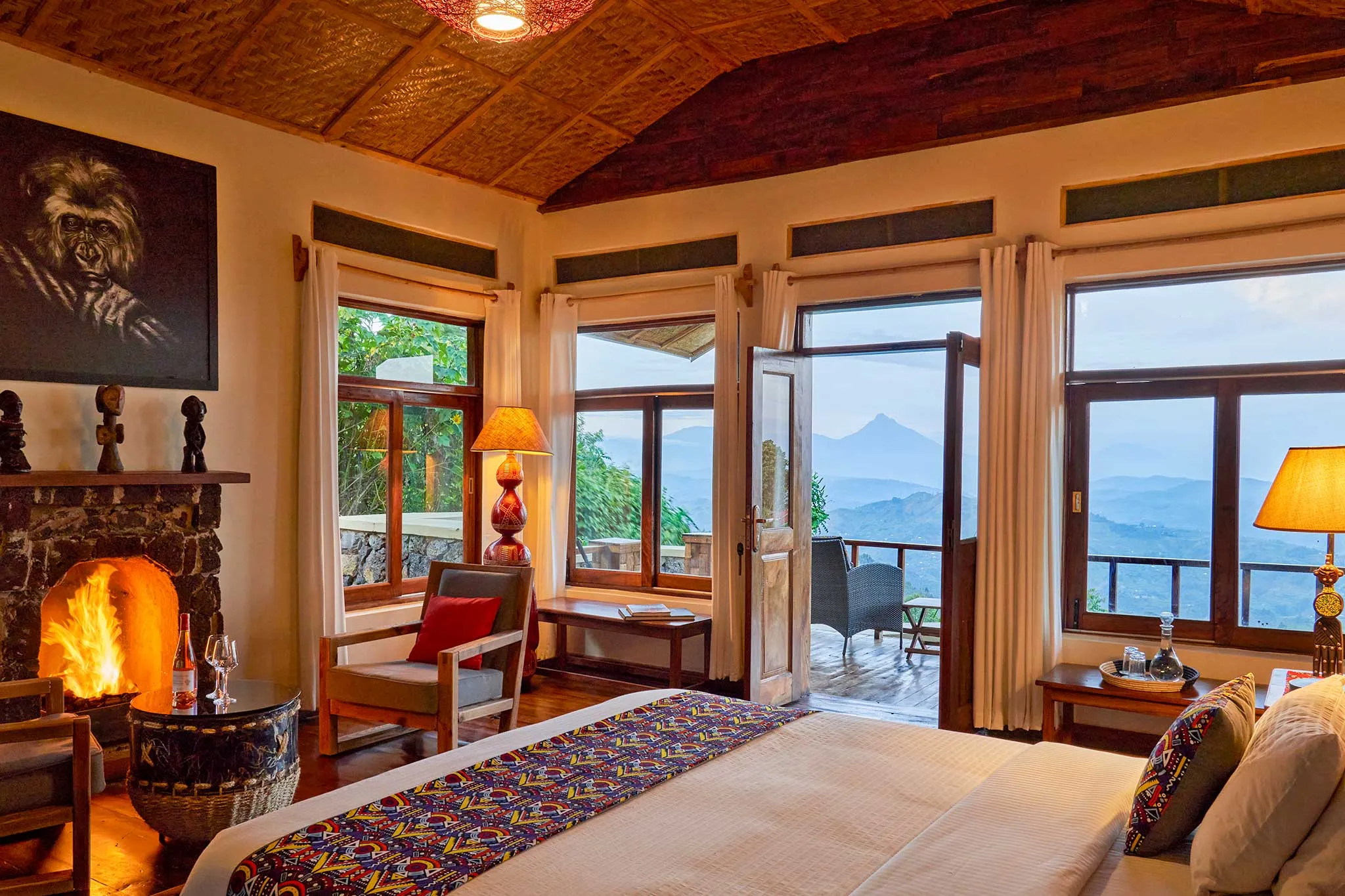
Clouds Mountain Gorilla Lodge
Accommodation Around Buhoma
Tourist accommodation in and around Buhoma include:
- Buhoma Lodge.
- Mahogany Springs Lodge.
- Bwindi Lodge.
- Gorilla Forest Lodge.
- Buhoma Community Rest Camp.
These properties offer different levels of comfort, service and pricing.
Accommodation Around Ruhija
Options around Ruhija include:
- Bakiga Lodge.
- Ruhija Gorilla Safari Lodge.
- Trekkers Tavern Cottages.
Accommodation Around Rushaga
Options include:
- Four Gorillas Lodge.
- Gorilla Safari Lodge.
- Rushaga Gorilla Camp.
- Ichumbi Gorilla Lodge.
You can book a bed and breakfast package or a full board depending on your preferred meal plan.
Accommodation Around Nkuringo
Options include:
- Clouds Mountain Gorilla Lodge.
- Nkuringo Bwindi Gorilla Lodge.
- Gorilla Heights Lodge.
Our accommodation advice: Do not rely on a property’s general description of being located in Bwindi. The park is large, and road transfers between sectors can be inconvenient.
Getting to Bwindi Impenetrable National Park
Bwindi is accessible by road and air. Your best route depends on your arrival airport, trekking sector, travel budget and overall safari itinerary.
Driving from Kampala or Entebbe
The road journey from Entebbe or Kampala to Bwindi generally takes between 8 and 11 hours, depending on the destination sector, route, traffic and road conditions.
Tip: If you are renting a car with a driver but excluding fuel, here is a fuel calculator to help you budget your fuel expenses.
A common route to the southern sectors passes through:
Entebbe – Kampala – Masaka – Mbarara – Kabale – Kisoro – Rushaga or Nkuringo.
For Buhoma, visitors may travel through Mbarara, Ntungamo, Rukungiri, Kihihi and Butogota.
Ruhija is commonly approached through Kabale.
These are not interchangeable routes. The correct route should be selected according to the permit sector and accommodation location.
Travelling from Queen Elizabeth National Park
Bwindi is often combined with Queen Elizabeth National Park in a longer Uganda safari.
For visitors heading to Buhoma, the Ishasha route is particularly useful.
A typical journey may follow:
Queen Elizabeth National Park – Ishasha – Kihihi – Butogota – Buhoma.
This route offers an opportunity to experience the Ishasha sector, famous for its tree-climbing lions, although sightings are never guaranteed.
Travellers visiting Rushaga or Nkuringo may need a different route through Kabale or Kisoro.
Travelling from Kigali, Rwanda
Bwindi can also be accessed from Kigali through southwestern Rwanda.
Travellers commonly use the Cyanika border crossing to reach the Kisoro area and continue towards Rushaga or Nkuringo.
For other sectors, the appropriate border and road route may differ.
Cross-border itineraries require advance attention to visa requirements, vehicle documentation, insurance and border procedures.
A Kigali-to-Bwindi safari can be an attractive option for travellers with limited time who want to combine a Rwanda arrival with gorilla trekking in Uganda.
Our full guide on how to get to Bwindi by road will help you choose the right vehicle for your trekking adventure.
Flying to Bwindi
Travellers who want to reduce road travel time can consider scheduled or charter domestic flights.
Flights generally operate from Entebbe International Airport or Kajjansi Airfield to airstrips serving the southwestern region, depending on the airline schedule.
Commonly used aviation connections include Kisoro and Kihihi.
The choice of airstrip should match the trekking sector. A flight to Kihihi is often useful for Buhoma, while Kisoro can be convenient for Rushaga and Nkuringo.
Always confirm flight availability, baggage restrictions and the road transfer from the airstrip to your lodge.
The Best Time to Visit Bwindi Impenetrable National Park
Bwindi is open to visitors throughout the year. However, weather conditions can influence trekking difficulty, road accessibility and the general safari experience.
The park experiences two relatively drier periods and two wetter periods.
June to September
This is generally one of the most popular periods for gorilla trekking and considered peak season.
The relatively drier conditions can make forest trails easier to navigate, but visitors may have to pay higher hotel rates and vehicle unavailability. Advance booking for Accommodation and gorilla permits of at least 6 months is generally recommended.
December to February
This period also offers favourable conditions for combining Bwindi with other Uganda safari destinations especially if you plan to visit Kidepo Valley National Park. Although generally dry, travellers should still prepare for occasional rainfall and muddy trails.
March to May
This is one of the wet seasons when a 4×4 is a must when visiting Bwindi. Rain can make some trekking routes more challenging, particularly on steep slopes and muddy forest trails near Nkuringo. For photographers however, the forest is lush, and visitors may enjoy a quieter travel experience.
October to November
These months also experience increased rainfall with November hitting the climax. Road conditions become challenging, but an experienced driver with knowledge of problematic spots will safely deliver you to your trekking sector.
Travellers visiting during this period should allow sufficient driving time and use a suitable 4×4 like Landcruiser TX, Landcruiser v8 or the customized extended Landcruiser Safari Jeep.
To help you choose the best car for your trip to Bwindi, we have a detailed article on Best 4×4 Vehicles for Bwindi.
Important: There is no guarantee of dry weather or easy trekking, even during the traditionally drier months spontaneous rains can occur in Bwindi.
What to Pack When Going to Bwindi
As already mentioned, Bwindi’s forest environment is often wet, muddy and cold, particularly in the morning and late evenings.

What to Pack When Going to Bwindi – Your Packing Checklist
We recommend packing:
- Waterproof hiking boots with good grip.
- Long hiking trousers or jeans.
- Long-sleeved shirts.
- A lightweight waterproof jacket.
- Gardening or hiking gloves for handling vegetation.
- A small backpack.
- Drinking water.
- Snacks for the trek.
- Insect repellent.
- Sunscreen.
- A hat.
- Camera with extra batteries.
- Binoculars for birdwatching.
- Walking stick (available at the park briefing point for a fee of $10).
Note: Some hotels may provide the walking stick free of charge provided you return it after the trek.
Combining Bwindi with Other Uganda Safari Destinations
Bwindi can be explored in a shorter 4 day trekking safari or as part of a longer Uganda itinerary involving wildlife safaris.
Combining destinations allows you to experience more of Uganda before returning to Kampala or Entebbe.
Bwindi and Queen Elizabeth National Park
This is one of the most popular combinations. Queen Elizabeth National Park offers savannah wildlife viewing, boat cruises on the Kazinga Channel, crater lakes and the opportunity to explore the Ishasha sector with the tree climbing lions.
A typical itinerary may include:
- Game drives in Queen Elizabeth National Park.
- A boat cruise along the Kazinga Channel.
- A transfer through Ishasha.
- Gorilla trekking in Buhoma.
This combination works particularly well for travellers with five to six days available.
Bwindi and Lake Bunyonyi
Lake Bunyonyi is a beautiful highland lake located near Kabale. It is an excellent place to relax after gorilla trekking, especially for travellers who want a slower-paced itinerary or for couples on a honeymoon safari. Activities include canoeing, boat rides, birdwatching and enjoying the scenery around the lake.
Bwindi and Mgahinga Gorilla National Park
Mgahinga is located in the Kisoro region, close to the borders of Rwanda and the Democratic Republic of the Congo. The park offers golden monkey tracking, volcano hiking and additional opportunities to explore the Virunga mountain landscape.
Visitors combining Bwindi and Mgahinga should plan their accommodation and transfers carefully because the two parks have different entry and activity arrangements. Mgahinga is not part of Bwindi NP and attracts its own charges.
Bwindi and Kibale National Park
Kibale National Park is famous for chimpanzee tracking and a top destination for primate lovers. Combining Kibale and Bwindi allows visitors to experience two of Uganda’s most important primate destinations.
Note: The journey between the two parks is substantial (7-9hrs), so it is best included in an itinerary with sufficient travel days not less than 5.
Sample Bwindi Gorilla Trekking Itineraries
The number of days you need depends on your arrival time, the trekking sector and whether you intend to visit other destinations.
3-Day Bwindi Gorilla (only) Trekking Safari from Entebbe
Day 1: Entebbe to Bwindi
Depart Entebbe early in the morning and drive through central and southwestern Uganda towards your designated Bwindi sector.
Stop for pictures at the equator in Kayabwe and lunch at Igongo Cultural Centre in Mbarara then continue to your lodge in Bwindi.
Day 2: Gorilla Trekking
Have an early breakfast and report to the park headquarters for the gorilla trekking briefing. Spend the morning tracking your assigned gorilla family, depending on the trekking arrangements.
Return to the lodge and relax.
Day 3: Bwindi to Entebbe
After breakfast, begin the 10hr return journey to Entebbe.
This itinerary involves substantial driving and is best suited to travellers with limited time who are comfortable with long road journeys. A 4×4 Landcruiser is typically recommended.
5-Day Queen Elizabeth and Bwindi Safari
Day 1: Entebbe to Queen Elizabeth National Park
Drive to Queen Elizabeth National Park, with a lunch stop along the way.
Arrive at your lodge and enjoy an evening relaxation.
Day 2: Queen Elizabeth National Park
Enjoy a morning game drive in Ishasha sector and an afternoon boat cruise along the Kazinga Channel.
Day 3: Queen Elizabeth to Bwindi
Travel through the Ishasha sector where possible, continuing to the Buhoma sector or your assigned trekking area.
Day 4: Gorilla Trekking
Enjoy your gorilla trekking experience and afternoon relaxation.
Day 5: Return To Kampala
After breakfast, end your safari with a drive back to Kampala or Entebbe.
Is Bwindi Impenetrable National Park Safe for Tourists?
Bwindi is an established tourism destination with organised visitor activities managed by Uganda Wildlife Authority.
Gorilla trekking takes place under the supervision of trained park rangers and guides. Visitors are briefed before entering the forest and are expected to follow the instructions provided.
The park’s wildlife conservation and visitor management procedures are designed to protect both tourists and the gorillas.
For road travel, we recommend using an experienced driver who understands the mountainous roads of southwestern Uganda.
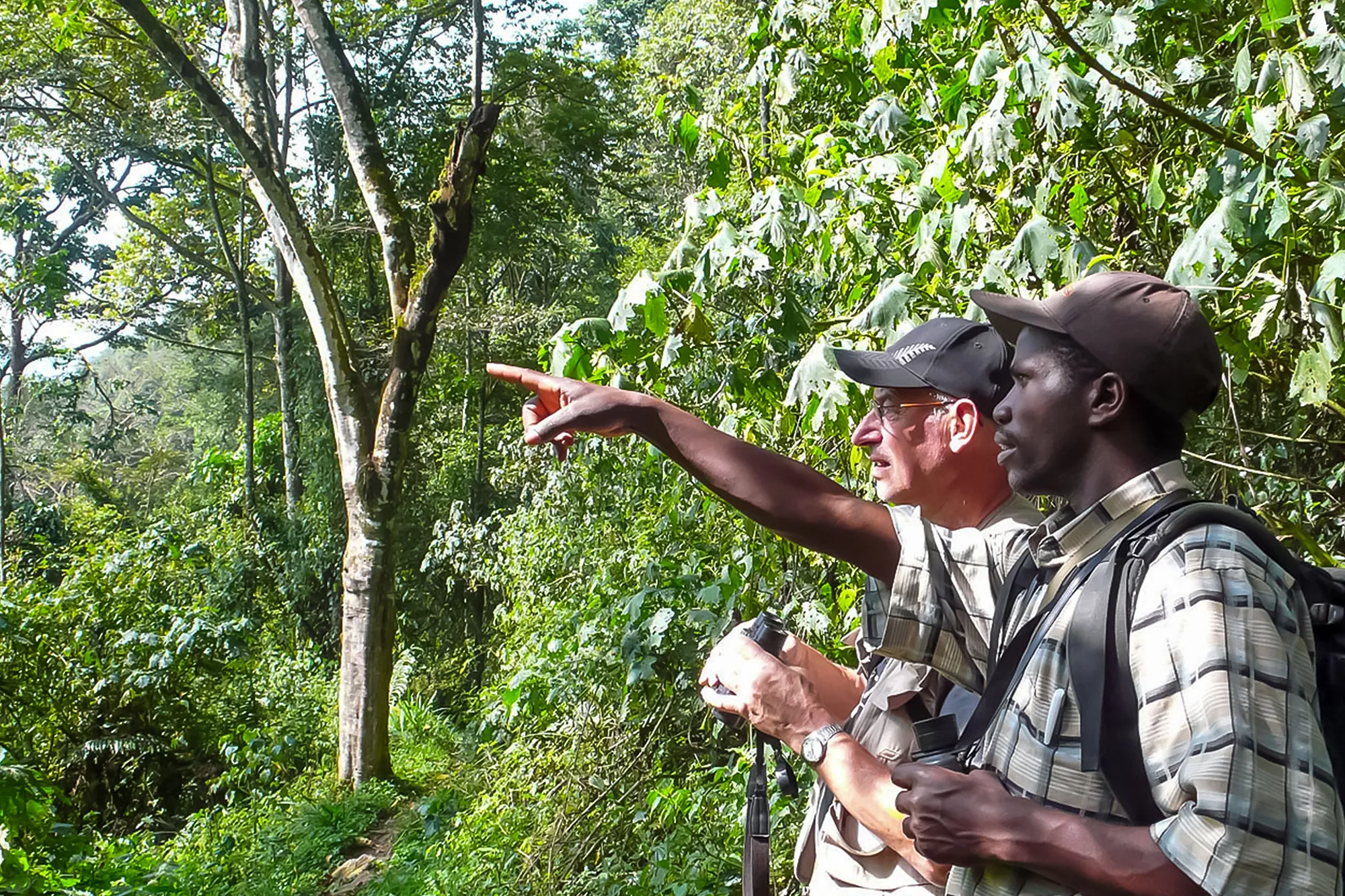
Bwindi Impenetrable National Park is Safe for Tourists – UWA Guides Accompany Trekkers
Visitors should also take ordinary travel precautions:
- Carry out the mandatory yellow fever vaccination before travelling.
- Carry out a malaria prophylaxis before travel.
- Keep valuables secure.
- Use tourist lodges other than general motels.
- Follow park regulations.
- Avoid night movements either alone or with a driver.
- Book through a registered tour operator.
Frequently Asked Questions
Where is Bwindi Impenetrable National Park found?
Bwindi is located in southwestern Uganda, in the districts of Kanungu, Rubanda, Kisoro and Rukungiri, close to the borders of Rwanda and the Democratic Republic of the Congo.
What is Bwindi Impenetrable National Park famous for?
Bwindi is internationally famous for mountain gorilla trekking. It protects a significant proportion of the world’s remaining mountain gorillas and is also recognised for its exceptional forest biodiversity and birdlife.
How many days do you need in Bwindi?
A minimum of two nights is generally advisable for a road-based gorilla trekking visit, particularly when travelling from Entebbe or Kampala. Three days is a common minimum itinerary, while four to five days allows a more relaxed experience or combination with other destinations.
How much is a gorilla permit in Bwindi?
For the 2026 tariff period, a standard gorilla trekking permit costs US$800 for foreign non-residents, US$700 for foreign residents, US$500 for visitors from the rest of Africa and UGX 300,000 for East African citizens.
Which is the best sector in Bwindi for gorilla trekking?
Buhoma, Ruhija, Rushaga and Nkuringo all offer gorilla trekking opportunities. The most suitable sector depends on permit availability, your travel route, accommodation and safari itinerary.
Is gorilla trekking difficult in Bwindi?
It can be physically demanding because the park has steep slopes, dense vegetation and muddy trails. Trekking duration varies according to the location of the assigned gorilla family.
Can I see gorillas in Bwindi throughout the year?
Yes. Gorilla trekking is conducted throughout the year, subject to permit availability and park operating arrangements. Rain can occur even during the traditionally drier months.
Can I visit Bwindi without trekking gorillas?
Yes. Visitors can enjoy authorised nature walks, birdwatching, cultural experiences, community visits and other activities around the forest.
Is Bwindi better than Mgahinga for gorilla trekking?
Both parks offer mountain gorilla trekking. Bwindi has four trekking sectors and a larger network of habituated gorilla families, while Mgahinga offers a different experience within the Virunga volcanic landscape. Your choice should depend on permit availability and the wider itinerary.
Can I drive from Kigali to Bwindi?
Yes. Travellers can drive from Kigali into southwestern Uganda through an appropriate border crossing, commonly Cyanika for journeys towards Kisoro, Rushaga and Nkuringo. Border requirements and the final route depend on the trekking sector.
What should I wear for gorilla trekking?
Wear waterproof hiking boots, long trousers, long-sleeved clothing, gloves and a waterproof jacket. Carry drinking water, snacks and a small backpack.
Are children allowed to go gorilla trekking?
Uganda Wildlife Authority’s minimum age for standard mountain gorilla trekking is 15 years. Age requirements should be confirmed when booking.
Planning Your Bwindi Gorilla Safari with a Local Uganda Tour Operator
Visiting Bwindi requires more than arranging a gorilla permit. Your accommodation, transport, trekking sector and road itinerary need to work together.
A common planning mistake is booking accommodation first and later discovering that the gorilla permit is for another sector. This can result in unnecessary transfers, early departures and additional travel expenses.
As a local Uganda tour operator, we recommend starting with the gorilla permit and building the rest of the safari around its assigned sector.
We can help organise:
- Gorilla trekking permits.
- Private 4×4 safari vehicles with experienced drivers.
- Airport transfers from Entebbe.
- Accommodation around Buhoma, Ruhija, Rushaga and Nkuringo.
- Queen Elizabeth and Bwindi combination safaris.
- Bwindi and Lake Bunyonyi itineraries.
- Kigali-to-Bwindi cross-border safari arrangements.
- Complete Uganda gorilla trekking holidays.
Whether you are travelling as a couple, family, private group or solo visitor, we can help you plan a practical itinerary that considers the actual road distances, trekking arrangements and accommodation locations.
Ready to Visit Bwindi Impenetrable National Park?
Contact our local Uganda safari team for help arranging your gorilla permit, accommodation and private transport. Call or WhatsApp us on +256702525877. We are also available on email at ask@carrentwithdriveruganda.com.
Written by Car Rent With a Driver Uganda Safari Team and Logistical consistency reviewed by Julius Kateega.